

ATM Dubai 2026 reveals what will drive GCC tourism forward
Gulf tourism contributes more than 11% of regional GDP
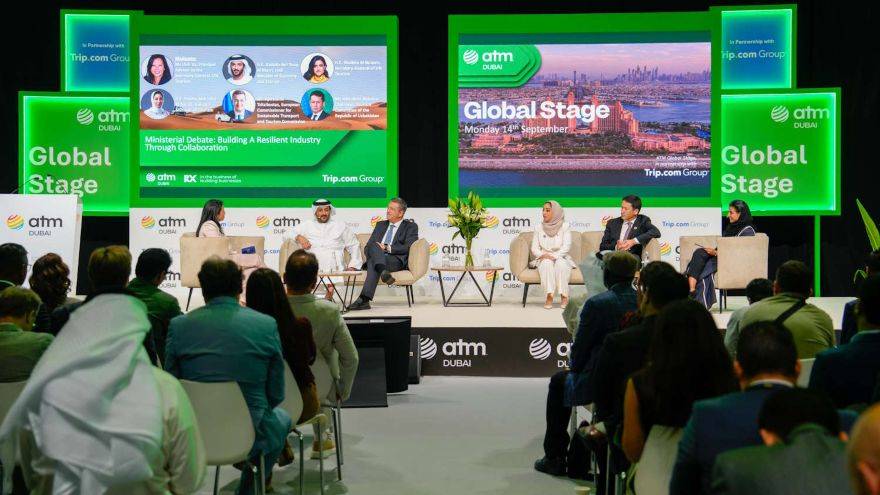
DUBAI – Preparedness and international collaboration took centre stage as policymakers from the Gulf, Central Asia, Europe and the United Nations examined the resilience and future direction of tourism at Arabian Travel Market (ATM) 2026 in Dubai.
The opening day of the 33rd edition brought senior decision-makers together to assess how the sector has responded to geopolitical challenges while exploring opportunities for longer-term growth.
ATM 2026 is being held at Dubai World Trade Centre until Thursday, 17 September.
Building resilience
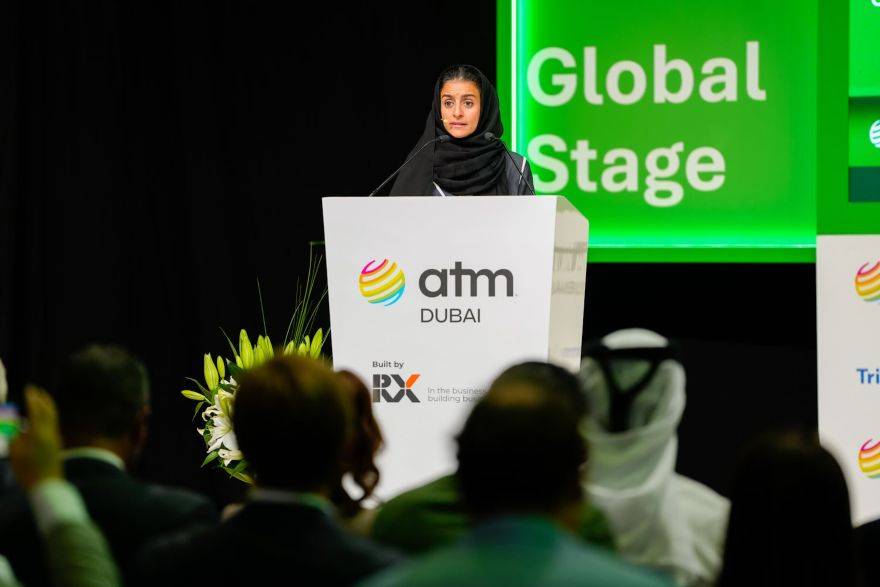
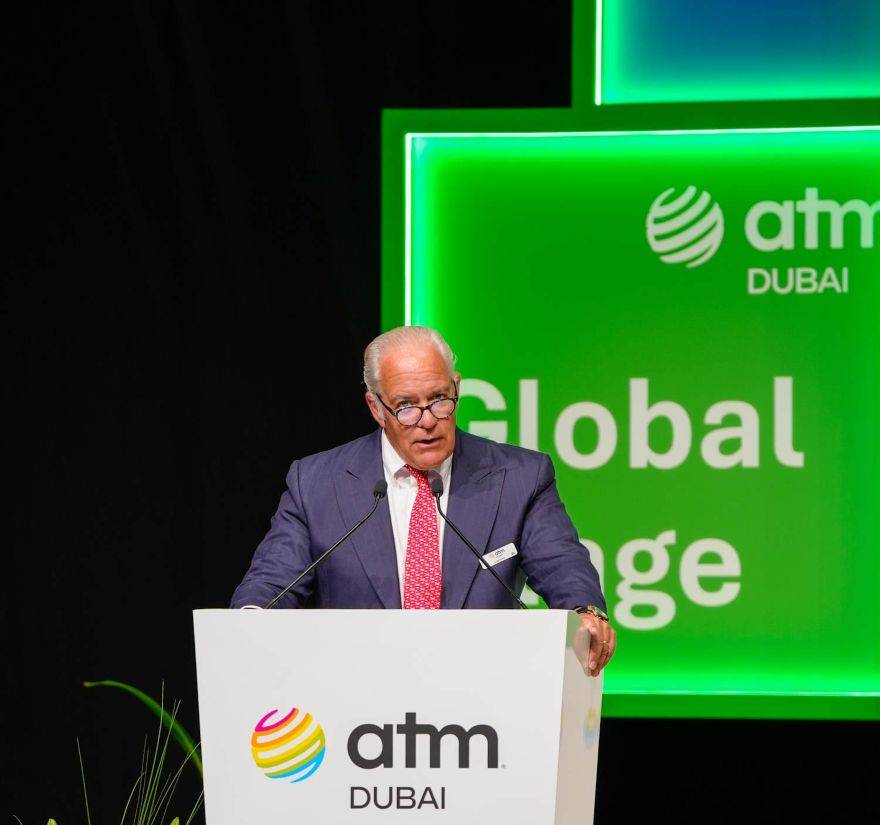
Abdulla bin Touq Al Marri, UAE Cabinet Member and Minister, Economy and Tourism, and Shaikha Al Nuwais, Secretary-General, UN Tourism, delivered welcome addresses on the Global Stage on the first day of the event, following opening remarks by Hugh Jones, CEO of RX Global.
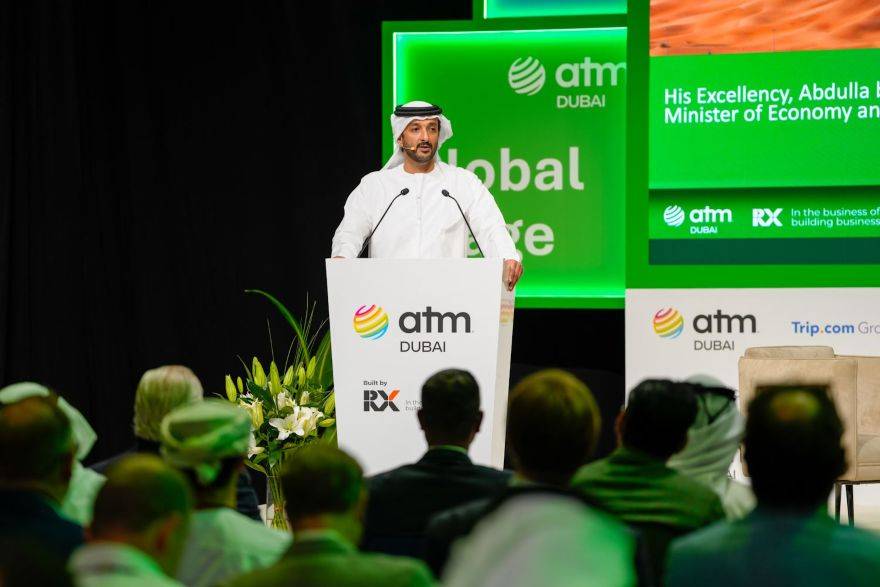
Addressing the UAE’s response to recent geopolitical challenges, Al Marri highlighted the foundations built by the country’s tourism and wider economic sectors over the past five decades.
“Everyone talks about tourism resiliency; I talk about tourism foundations,” he said, pointing to the development undertaken over 50 years as a key factor behind the UAE’s ability to navigate recent challenges.
Al Nuwais placed preparedness and relationships at the centre of effective crisis management, stressing the importance of establishing cooperation and trust before disruption occurs.
She said countries that manage crises effectively are those that prepare in advance, build relationships early, share information and establish trust. According to Al Nuwais, such preparation enables destinations to respond more effectively when new challenges emerge.
The two speakers later joined Fatima Jaafar Al Sairafi, Minister of Tourism, Kingdom of Bahrain; Apostolos Tzitzikostas, Commissioner for Sustainable Transport and Tourism at the European Commission; and Abdulaziz Akkulov, Chairman of the Tourism Committee of the Republic of Uzbekistan, for a ministerial debate moderated by Khanh Linh Vu, Principal Advisor to the Secretary-General at UN Tourism.
Tzitzikostas used the session to reaffirm the European Union’s support for the UAE and Gulf countries, describing them as partners and allies. He also pointed to signs of recovery in tourism activity, saying recent figures indicated a turnaround and a return to a stronger growth path.
Gulf opportunity
Tourism’s growing contribution to regional economies was another major focus of the discussion. Al Sairafi said tourism contributes more than 11% of GDP across Gulf countries, compared with a global average of around 10%.
She said the figure demonstrates the established position of Gulf countries within the global tourism landscape while highlighting further potential for the sector to expand across the region.
Akkulov drew comparisons between the approaches adopted by GCC countries and Uzbekistan, highlighting his country’s partnerships with Azerbaijan and UN Tourism. He also outlined efforts to position Uzbekistan as a regional hub for cooperation across the tourism industry.
The discussion underscored the role of cross-border partnerships as destinations seek to strengthen their ability to respond to disruption while continuing to develop tourism infrastructure, connectivity and visitor experiences.
Danielle Curtis, Regional Portfolio Director, UAE, RX Global, said the opening-day discussions demonstrated the importance of travel and tourism to the regional economy. She highlighted the GCC’s collective response to geopolitical challenges and described preparedness and collaboration as important elements of market resilience.
Tourism 2040
ATM 2026 is being held under the theme Travel 2040: Driving New Frontiers Through Innovation and Technology, with the programme examining the forces expected to shape the industry over the coming years.
Artificial intelligence, digital transformation, smart mobility and changing traveller expectations are among the issues being explored during the event. The Global Stage hosted seven sessions on the opening day, covering topics including live experiences and the development of technology-powered luxury tourism for international travellers.
The event’s programme brings together tourism leaders, policymakers and industry representatives from across global markets to examine new opportunities and changing dynamics within travel.
Now in its 33rd edition, ATM remains a major international travel and tourism event in the Middle East, providing a platform for industry stakeholders to develop partnerships, exchange knowledge and explore new business opportunities.